Buy xosj.com ?
We are moving the project
xosj.com .
Are you interested in purchasing the domain
xosj.com ?
domain@kv-gmbh.de · 0541-91531010
Buy xosj.com ?
What is a pint?
A pint is a unit of volume measurement commonly used to measure liquids. In the United States, a pint is equal to 16 fluid ounces, while in the United Kingdom, it is equal to 20 fluid ounces. Pints are often used to measure beverages such as beer, milk, and water, and are also used as a serving size in bars and restaurants. **
What is an electronics technician for energy and building technology?
An electronics technician for energy and building technology is a professional who specializes in installing, maintaining, and repairing electrical and electronic systems in buildings and energy facilities. They are responsible for ensuring that electrical systems are functioning properly, and they may work on a variety of systems including lighting, heating, ventilation, air conditioning, and renewable energy systems. These technicians are trained to troubleshoot and diagnose electrical problems, and they may also be involved in the design and implementation of energy-efficient systems. Overall, their role is crucial in ensuring the safety, efficiency, and functionality of electrical and electronic systems in buildings and energy facilities. **

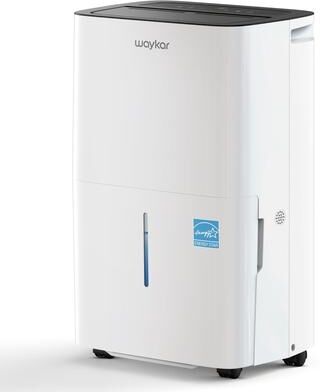
Similar search terms for Waykar-80-Pint-Energy
Top-Angebote
Products related to Waykar-80-Pint-Energy:
-
Waykar Energy Star 120 Pint Dehumidifier-Up to 6,500 Sq. FtPowerful Moisture Removal & Wide Coverage: Removes up to 120 pints of moisture per day, making it ideal for efficiently managing humidity in homes, offices, and large basements up to 6,500 sq. ft.242,99 $*Shipping: 0,00 $Secure redirect to the provider
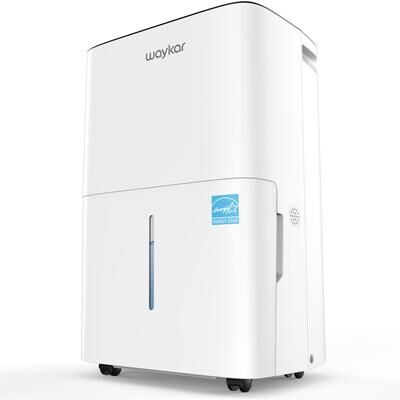

-
What is an electronics master for energy and building technology?
An electronics master for energy and building technology is a professional who specializes in designing, installing, and maintaining electronic systems that optimize energy efficiency and control various building functions. They are experts in integrating technologies such as lighting, heating, ventilation, and air conditioning systems to create smart and sustainable buildings. These professionals play a crucial role in ensuring that buildings are energy-efficient, environmentally friendly, and equipped with advanced automation systems for optimal performance. **
-
What is better: Industrial electronics technician or electronics technician for energy and building technology?
The choice between an industrial electronics technician and an electronics technician for energy and building technology depends on your career goals and interests. An industrial electronics technician typically works with manufacturing equipment and machinery, while an electronics technician for energy and building technology focuses on electrical systems in buildings and energy infrastructure. If you are interested in working with manufacturing processes and machinery, then industrial electronics technician may be a better fit. However, if you are passionate about sustainable energy and building technology, then electronics technician for energy and building technology may be the better option for you. **
-
What is better: Electronics technician for industrial engineering or electronics technician for energy and building technology?
The choice between being an electronics technician for industrial engineering or energy and building technology depends on your interests and career goals. If you enjoy working with complex machinery and systems in manufacturing environments, then industrial engineering may be a better fit for you. On the other hand, if you are passionate about sustainable energy solutions and building technology, then energy and building technology could be more fulfilling. Consider your strengths, interests, and long-term career aspirations to make the best decision for yourself. **
-
Is being an electronics technician for energy and building technology a tough job?
Being an electronics technician for energy and building technology can be a challenging job as it requires a strong understanding of complex electrical systems and equipment. Technicians in this field are responsible for installing, maintaining, and troubleshooting a variety of systems, such as heating, ventilation, air conditioning, and lighting. The job can be physically demanding at times, requiring technicians to work in various environments and conditions. However, with the right training and experience, it can also be a rewarding career with opportunities for growth and advancement. **


What are the tasks of an electronics technician for energy and building technology?
An electronics technician for energy and building technology is responsible for installing, maintaining, and repairing electrical systems in buildings and energy facilities. They work with a variety of systems including lighting, heating, ventilation, air conditioning, and renewable energy systems. They are also involved in troubleshooting electrical issues, conducting safety inspections, and ensuring that all systems are operating efficiently and in compliance with regulations. Additionally, they may be involved in the design and implementation of energy-efficient technologies to optimize building performance. **
What is the difference between an industrial electronics technician and an energy and building technology electronics technician?
An industrial electronics technician typically works in manufacturing settings, focusing on the installation, maintenance, and repair of electronic systems used in industrial machinery and equipment. On the other hand, an energy and building technology electronics technician specializes in the installation, maintenance, and repair of electronic systems used in energy management and building automation systems. While both roles involve working with electronic systems, the specific applications and industries they focus on differ, with industrial electronics technicians working more in manufacturing environments and energy and building technology electronics technicians focusing on energy management and building automation systems. **
Top-Angebote
Products related to Waykar-80-Pint-Energy:
-
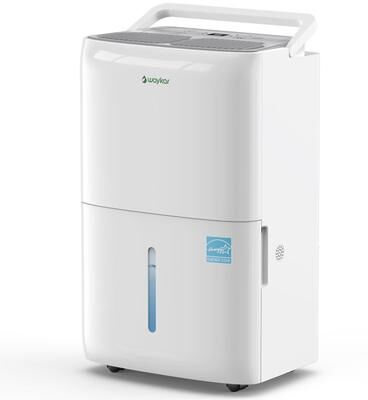
Waykar 80 Pint Energy Star Dehumidifier, up to 5500 Sq.Ft for Room BasementPowerful Dehumidification: Removes up to 80 pints of moisture per day, specially designed for large spaces with a coverage area of up to 5,500 sq. ft.—ideal for large basements and spacious rooms.222,49 $*Shipping: 0,00 $Secure redirect to the provider
-
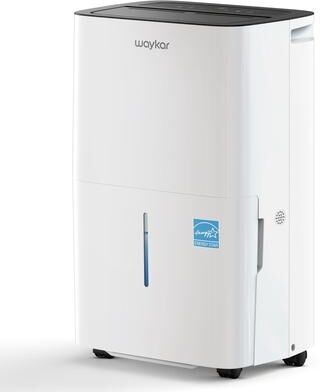
Waykar Energy Star 120 Pint Dehumidifier-Up to 6,500 Sq. FtPowerful Moisture Removal & Wide Coverage: Removes up to 120 pints of moisture per day, making it ideal for efficiently managing humidity in homes, offices, and large basements up to 6,500 sq. ft.242,99 $*Shipping: 0,00 $Secure redirect to the provider
-
What is a pint?
A pint is a unit of volume measurement commonly used to measure liquids. In the United States, a pint is equal to 16 fluid ounces, while in the United Kingdom, it is equal to 20 fluid ounces. Pints are often used to measure beverages such as beer, milk, and water, and are also used as a serving size in bars and restaurants. **
-
What is an electronics technician for energy and building technology?
An electronics technician for energy and building technology is a professional who specializes in installing, maintaining, and repairing electrical and electronic systems in buildings and energy facilities. They are responsible for ensuring that electrical systems are functioning properly, and they may work on a variety of systems including lighting, heating, ventilation, air conditioning, and renewable energy systems. These technicians are trained to troubleshoot and diagnose electrical problems, and they may also be involved in the design and implementation of energy-efficient systems. Overall, their role is crucial in ensuring the safety, efficiency, and functionality of electrical and electronic systems in buildings and energy facilities. **
-
What is an electronics master for energy and building technology?
An electronics master for energy and building technology is a professional who specializes in designing, installing, and maintaining electronic systems that optimize energy efficiency and control various building functions. They are experts in integrating technologies such as lighting, heating, ventilation, and air conditioning systems to create smart and sustainable buildings. These professionals play a crucial role in ensuring that buildings are energy-efficient, environmentally friendly, and equipped with advanced automation systems for optimal performance. **
-
What is better: Industrial electronics technician or electronics technician for energy and building technology?
The choice between an industrial electronics technician and an electronics technician for energy and building technology depends on your career goals and interests. An industrial electronics technician typically works with manufacturing equipment and machinery, while an electronics technician for energy and building technology focuses on electrical systems in buildings and energy infrastructure. If you are interested in working with manufacturing processes and machinery, then industrial electronics technician may be a better fit. However, if you are passionate about sustainable energy and building technology, then electronics technician for energy and building technology may be the better option for you. **
Similar search terms for Waykar-80-Pint-Energy
-
What is better: Electronics technician for industrial engineering or electronics technician for energy and building technology?
The choice between being an electronics technician for industrial engineering or energy and building technology depends on your interests and career goals. If you enjoy working with complex machinery and systems in manufacturing environments, then industrial engineering may be a better fit for you. On the other hand, if you are passionate about sustainable energy solutions and building technology, then energy and building technology could be more fulfilling. Consider your strengths, interests, and long-term career aspirations to make the best decision for yourself. **
-
Is being an electronics technician for energy and building technology a tough job?
Being an electronics technician for energy and building technology can be a challenging job as it requires a strong understanding of complex electrical systems and equipment. Technicians in this field are responsible for installing, maintaining, and troubleshooting a variety of systems, such as heating, ventilation, air conditioning, and lighting. The job can be physically demanding at times, requiring technicians to work in various environments and conditions. However, with the right training and experience, it can also be a rewarding career with opportunities for growth and advancement. **
-
What are the tasks of an electronics technician for energy and building technology?
An electronics technician for energy and building technology is responsible for installing, maintaining, and repairing electrical systems in buildings and energy facilities. They work with a variety of systems including lighting, heating, ventilation, air conditioning, and renewable energy systems. They are also involved in troubleshooting electrical issues, conducting safety inspections, and ensuring that all systems are operating efficiently and in compliance with regulations. Additionally, they may be involved in the design and implementation of energy-efficient technologies to optimize building performance. **
-
What is the difference between an industrial electronics technician and an energy and building technology electronics technician?
An industrial electronics technician typically works in manufacturing settings, focusing on the installation, maintenance, and repair of electronic systems used in industrial machinery and equipment. On the other hand, an energy and building technology electronics technician specializes in the installation, maintenance, and repair of electronic systems used in energy management and building automation systems. While both roles involve working with electronic systems, the specific applications and industries they focus on differ, with industrial electronics technicians working more in manufacturing environments and energy and building technology electronics technicians focusing on energy management and building automation systems. **
* All prices are inclusive of VAT and, if applicable, plus shipping costs. The offer information is based on the details provided by the respective shop and is updated through automated processes. Real-time updates do not occur, so deviations can occur in individual cases. ** Note: Parts of this content were created by AI.