Buy xosj.com ?
We are moving the project
xosj.com .
Are you interested in purchasing the domain
xosj.com ?
domain@kv-gmbh.de · 0541-91531010
Buy xosj.com ?
What is sensor technology and communication?
Sensor technology refers to the use of sensors to detect and measure physical properties such as temperature, pressure, light, and motion. These sensors can then communicate this information to other devices or systems through various communication methods such as wired connections, wireless signals, or the internet. This allows for real-time monitoring and control of physical environments, enabling applications in areas such as smart homes, industrial automation, healthcare, and environmental monitoring. Overall, sensor technology and communication play a crucial role in enabling the collection and transmission of data for various applications, ultimately leading to improved efficiency, safety, and convenience. **
Which smartphones are available without a fingerprint sensor?
Some smartphones that are available without a fingerprint sensor include the Google Pixel 4a, the Nokia 3310, and the Samsung Galaxy A01. These phones rely on other forms of security such as PIN codes, patterns, or facial recognition. While fingerprint sensors are a common feature in many smartphones, there are still options available for those who prefer not to use them. **
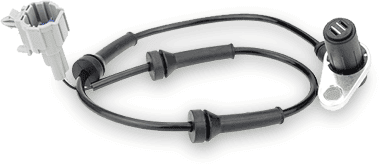
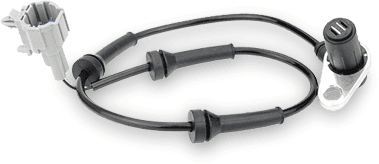
Similar search terms for PREXAparts-P101049-Sensor-RPM
Top-Angebote
Products related to PREXAparts-P101049-Sensor-RPM:
-
PREXAparts P101088 Sensor, speed / RPMTransmission Type: 5-Speed Manual Transmission, 6-Speed Manual Transmission, 4-Speed Automatic Transmission, 4-Speed Manual Transmission; Vehicle Identification Number (VIN) to: 8H-3-050 000, 8E-5-400 000; Drive Type: Front-Wheel Drive; Model Year to: 2006; Vehicle Identification Number (VIN) from: 89-H-300 001, 44-J-200 100, 4A-M-000 001, 3B-V-000 001, 4D-X-005 001, 8E-1-000 001; Model Year from: 1988, 1992, 1995; Transmission Number to: 28 06 2, 71175512,99 £*Shipping: 8,45 £Secure redirect to the provider
-
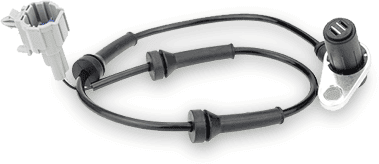
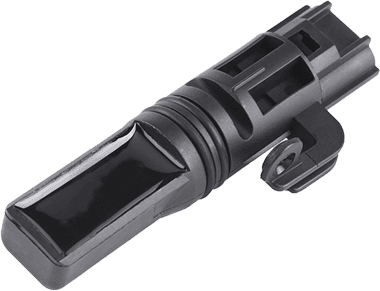
EPS 1.953.249 Sensor, RPMLength [mm]: 450; Sensor Length [mm]: 24,5; Supplementary Info: Made in Italy - OE Equivalent; TecDoc Engine Number: 22460, 22461, 22462, 22947, 22948, 22951, 22952, 22954; Construction Year from: 01/1993; Construction Year to: 12/1996; Required quantity: 135,99 £*Shipping: 8,45 £Secure redirect to the provider


-
Why do smartphones have a sensor in 4:3 format?
Smartphones have a sensor in 4:3 format because it is a standard aspect ratio that has been widely used in photography for many years. This aspect ratio is well-suited for capturing a wide range of subjects and is versatile for both landscape and portrait orientations. Additionally, the 4:3 format allows for more flexibility in cropping and editing photos without losing too much of the original image. Overall, the 4:3 format sensor provides a good balance between capturing a wide field of view and maintaining image quality. **
-
What saves fuel: Accelerating quickly at high RPM or slowly at low RPM?
Accelerating slowly at low RPM saves fuel compared to accelerating quickly at high RPM. When you accelerate quickly at high RPM, the engine has to work harder and consumes more fuel to generate the power needed for acceleration. On the other hand, accelerating slowly at low RPM allows the engine to operate more efficiently and consume less fuel. Additionally, accelerating slowly can also reduce wear and tear on the engine components, leading to potential long-term fuel savings. **
-
What saves fuel: Accelerating quickly with high RPM or slowly with low RPM?
Accelerating slowly with low RPM saves fuel compared to accelerating quickly with high RPM. When you accelerate quickly, the engine has to work harder and burn more fuel to reach higher speeds. On the other hand, accelerating slowly with low RPM allows the engine to operate more efficiently and consume less fuel. Additionally, maintaining a steady speed once you reach your desired velocity can also help save fuel. **
-
How many RPM are okay?
The appropriate RPM (revolutions per minute) for a vehicle can vary depending on the make and model. However, a general guideline is to aim for around 2,000-3,000 RPM while driving at highway speeds. This range allows the engine to operate efficiently without putting too much strain on it. It's important to consult your vehicle's manual for specific recommendations on RPM levels. **


Is RPM or APT better?
The choice between RPM and APT often comes down to personal preference and the specific Linux distribution being used. RPM is the package manager used by Red Hat-based distributions like Fedora and CentOS, while APT is used by Debian-based distributions like Ubuntu. Both package managers have their strengths and weaknesses, so it ultimately depends on the user's familiarity with the system and the specific needs of the project. **
What saves fuel: Accelerating quickly at high RPM or accelerating slowly at low RPM?
Accelerating slowly at low RPM saves fuel compared to accelerating quickly at high RPM. When you accelerate quickly at high RPM, the engine has to work harder and uses more fuel to generate the necessary power. On the other hand, accelerating slowly at low RPM allows the engine to operate more efficiently and consume less fuel. Additionally, rapid acceleration can also put more strain on the engine and other components, leading to increased fuel consumption and potential maintenance costs in the long run. **
Top-Angebote
Products related to PREXAparts-P101049-Sensor-RPM:
-
PREXAparts P101049 Sensor, RPMTecDoc Engine Number: 23178, 24600, 23179, 24835, 25403, 24941, 23858, 25739, 20828, 23938, 23859, 20825, 24326, 24598, 23587, 24315, 21070, 20799, 22176, 20949, 20798, 20598, 24314, 22715, 24333, 22674, 23857, 20939, 24125, 26329, 26330, 20905, 26713, 24473, 24943, 20864, 24406, 23590, 23589, 24839, 23584, 23585, 23588, 24215, 27529, 27985, 26990, 28002, 23411, 23412; Engine Code: CJCB; Vehicle Identification Number (VIN) from: 1K-9-250 00120,49 £*Shipping: 8,45 £Secure redirect to the provider
-
What is sensor technology and communication?
Sensor technology refers to the use of sensors to detect and measure physical properties such as temperature, pressure, light, and motion. These sensors can then communicate this information to other devices or systems through various communication methods such as wired connections, wireless signals, or the internet. This allows for real-time monitoring and control of physical environments, enabling applications in areas such as smart homes, industrial automation, healthcare, and environmental monitoring. Overall, sensor technology and communication play a crucial role in enabling the collection and transmission of data for various applications, ultimately leading to improved efficiency, safety, and convenience. **
-
Which smartphones are available without a fingerprint sensor?
Some smartphones that are available without a fingerprint sensor include the Google Pixel 4a, the Nokia 3310, and the Samsung Galaxy A01. These phones rely on other forms of security such as PIN codes, patterns, or facial recognition. While fingerprint sensors are a common feature in many smartphones, there are still options available for those who prefer not to use them. **
-
Why do smartphones have a sensor in 4:3 format?
Smartphones have a sensor in 4:3 format because it is a standard aspect ratio that has been widely used in photography for many years. This aspect ratio is well-suited for capturing a wide range of subjects and is versatile for both landscape and portrait orientations. Additionally, the 4:3 format allows for more flexibility in cropping and editing photos without losing too much of the original image. Overall, the 4:3 format sensor provides a good balance between capturing a wide field of view and maintaining image quality. **
-
What saves fuel: Accelerating quickly at high RPM or slowly at low RPM?
Accelerating slowly at low RPM saves fuel compared to accelerating quickly at high RPM. When you accelerate quickly at high RPM, the engine has to work harder and consumes more fuel to generate the power needed for acceleration. On the other hand, accelerating slowly at low RPM allows the engine to operate more efficiently and consume less fuel. Additionally, accelerating slowly can also reduce wear and tear on the engine components, leading to potential long-term fuel savings. **
Similar search terms for PREXAparts-P101049-Sensor-RPM
-
PREXAparts P101088 Sensor, speed / RPMTransmission Type: 5-Speed Manual Transmission, 6-Speed Manual Transmission, 4-Speed Automatic Transmission, 4-Speed Manual Transmission; Vehicle Identification Number (VIN) to: 8H-3-050 000, 8E-5-400 000; Drive Type: Front-Wheel Drive; Model Year to: 2006; Vehicle Identification Number (VIN) from: 89-H-300 001, 44-J-200 100, 4A-M-000 001, 3B-V-000 001, 4D-X-005 001, 8E-1-000 001; Model Year from: 1988, 1992, 1995; Transmission Number to: 28 06 2, 71175512,99 £*Shipping: 8,45 £Secure redirect to the provider
-
EPS 1.953.249 Sensor, RPMLength [mm]: 450; Sensor Length [mm]: 24,5; Supplementary Info: Made in Italy - OE Equivalent; TecDoc Engine Number: 22460, 22461, 22462, 22947, 22948, 22951, 22952, 22954; Construction Year from: 01/1993; Construction Year to: 12/1996; Required quantity: 135,99 £*Shipping: 8,45 £Secure redirect to the provider
-
What saves fuel: Accelerating quickly with high RPM or slowly with low RPM?
Accelerating slowly with low RPM saves fuel compared to accelerating quickly with high RPM. When you accelerate quickly, the engine has to work harder and burn more fuel to reach higher speeds. On the other hand, accelerating slowly with low RPM allows the engine to operate more efficiently and consume less fuel. Additionally, maintaining a steady speed once you reach your desired velocity can also help save fuel. **
-
How many RPM are okay?
The appropriate RPM (revolutions per minute) for a vehicle can vary depending on the make and model. However, a general guideline is to aim for around 2,000-3,000 RPM while driving at highway speeds. This range allows the engine to operate efficiently without putting too much strain on it. It's important to consult your vehicle's manual for specific recommendations on RPM levels. **
-
Is RPM or APT better?
The choice between RPM and APT often comes down to personal preference and the specific Linux distribution being used. RPM is the package manager used by Red Hat-based distributions like Fedora and CentOS, while APT is used by Debian-based distributions like Ubuntu. Both package managers have their strengths and weaknesses, so it ultimately depends on the user's familiarity with the system and the specific needs of the project. **
-
What saves fuel: Accelerating quickly at high RPM or accelerating slowly at low RPM?
Accelerating slowly at low RPM saves fuel compared to accelerating quickly at high RPM. When you accelerate quickly at high RPM, the engine has to work harder and uses more fuel to generate the necessary power. On the other hand, accelerating slowly at low RPM allows the engine to operate more efficiently and consume less fuel. Additionally, rapid acceleration can also put more strain on the engine and other components, leading to increased fuel consumption and potential maintenance costs in the long run. **
* All prices are inclusive of VAT and, if applicable, plus shipping costs. The offer information is based on the details provided by the respective shop and is updated through automated processes. Real-time updates do not occur, so deviations can occur in individual cases. ** Note: Parts of this content were created by AI.